Service Department: Customer Success, AMC/SLAs, Field Service & Helpdesk
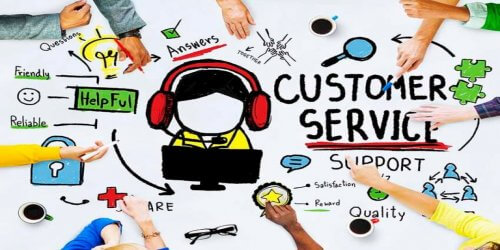
The Service Department is often the silent hero of any organization. While Sales brings in new customers and Marketing builds awareness, it is Service that sustains relationships and converts one-time buyers into long-term advocates. In today’s competitive world, where customers expect not just products but holistic experiences, the Service Department plays a central role in ensuring satisfaction, reliability, and trust.
From customer success initiatives to managing Annual Maintenance Contracts (AMC) and Service Level Agreements (SLAs), providing efficient field service, and running responsive helpdesks—the department is a multi-dimensional powerhouse. Let’s explore its functions in detail.
Customer Success: Going Beyond Support
Unlike traditional support, which is reactive, customer success is proactive. Its mission is to help customers achieve their desired outcomes using the company’s products or services.
- Onboarding Programs – Ensuring smooth transitions when customers start using a product.
- Proactive Engagement – Checking in regularly to prevent issues rather than reacting after they occur.
- Training & Education – Empowering customers with guides, webinars, and tutorials.
- Retention & Upselling – Driving loyalty while identifying opportunities to introduce premium solutions.
For example, SaaS companies rely heavily on customer success teams to prevent churn and maintain recurring revenues. Proactive support here becomes a revenue driver, not just a cost center.
AMC & SLAs: Building Trust with Assured Service
Customers value reliability, and that’s where Annual Maintenance Contracts (AMC) and Service Level Agreements (SLAs) come in. They provide clear frameworks for service expectations.
- AMC – Long-term maintenance agreements that guarantee timely servicing, repairs, and replacements.
- SLAs – Formal commitments defining response times, resolution timelines, uptime percentages, and penalties for delays.
- Transparency – Clearly defined obligations build trust and prevent disputes.
- Predictability – Both customer and service provider benefit from structured, predictable engagements.
Industries like IT infrastructure, HVAC, and heavy machinery rely on AMC/SLAs to ensure uninterrupted operations for clients. In many cases, the SLA is a competitive differentiator, influencing customer choice.
Field Service: The Human Touch in Action
Field service connects organizations with customers through on-site visits. Whether it’s repairing equipment, installing products, or conducting preventive maintenance, it is the physical presence of a service professional that cements customer confidence.
- Technician Scheduling – Ensuring timely allocation of the right experts to the right tasks.
- Mobile Tools – Equipping field teams with apps for real-time updates, checklists, and remote support.
- Spare Parts Management – Ensuring availability of parts to prevent delays.
- Customer Feedback Capture – Collecting feedback at the point of service for instant quality improvements.
Organizations like Siemens, GE, and Dell have invested in AI-driven field service management (FSM) platforms that optimize scheduling, minimize downtime, and enhance first-time resolution rates.
Helpdesk: The Nerve Center of Support
The helpdesk acts as the first point of contact when customers face issues. Its efficiency directly influences customer perceptions of the brand.
- Multi-Channel Support – Phone, email, chat, and self-service portals for accessibility.
- Ticket Management Systems – Structured handling of complaints and queries with prioritization.
- Knowledge Bases – Empowering customers to solve issues independently.
- Escalation Mechanisms – Ensuring critical issues get immediate attention.
Modern helpdesks are powered by AI chatbots, automated routing, and sentiment analysis tools, improving response times while reducing costs.
Integration of Service Functions
While each of the four pillars—customer success, AMC/SLAs, field service, and helpdesk—has unique roles, they work best when integrated:
- Customer success teams flag early warning signals that feed into AMC/SLAs or helpdesk processes.
- Helpdesk insights inform field service visits and preventive maintenance schedules.
- SLAs create accountability across helpdesk and field operations.
- Data from all functions supports continuous improvement and predictive service models.
This interconnected approach ensures customer satisfaction is not fragmented but seamless, no matter the touchpoint.
Challenges in Service Departments
- High Expectations – Customers demand instant resolutions and 24/7 support.
- Resource Allocation – Balancing workloads across field teams and helpdesk agents.
- Cost Control – Delivering premium service without escalating expenses.
- Consistency – Maintaining the same service quality across regions and channels.
Future Trends in Service Management
- AI & Predictive Analytics – Identifying issues before customers even notice them.
- Remote Support – AR/VR-driven troubleshooting and IoT-enabled diagnostics.
- Self-Service Expansion – Intelligent knowledge bases reducing ticket volumes.
- Outcome-Based SLAs – Focusing not just on response times but measurable customer outcomes.
- Customer Experience Platforms – Integrating CRM, helpdesk, and success data into a single view.
Conclusion
The Service Department is not merely a cost center—it is a value generator. By excelling in customer success, managing AMC/SLAs, executing effective field service, and running efficient helpdesks, organizations can drive loyalty, reduce churn, and create competitive advantages. In a marketplace where products can be replicated but experiences cannot, service excellence is often the ultimate differentiator.