IT Department: Infrastructure, Cloud, Cybersecurity, Automation & Analytics
In the modern digital economy, the Information Technology (IT) Department is no longer a mere support function—it is the strategic engine powering growth, innovation, and resilience. With rapid advancements in technology, organizations of every size must leverage IT to gain competitive advantage. Whether it’s building reliable infrastructure, embracing cloud computing, fortifying cybersecurity, driving automation, or harnessing analytics, the IT department plays a critical role in shaping how companies operate and thrive.
This blog explores the five essential pillars of IT—Infrastructure, Cloud, Cybersecurity, Automation, and Analytics—highlighting their significance, benefits, and future trends that business leaders need to embrace.
Infrastructure: The Foundation of IT Operations
Infrastructure is the backbone of the IT department. It comprises hardware, networks, data centers, and enterprise applications that ensure smooth operations across the organization. Without a robust infrastructure, other IT initiatives cannot succeed.
- Hardware & Networking – Servers, switches, routers, and enterprise workstations power connectivity and communication.
- Data Centers – On-premise or outsourced facilities that store and manage critical business data.
- Enterprise Applications – ERP, CRM, HRMS, and other software solutions that streamline operations.
- Scalability & Reliability – A well-planned infrastructure must adapt to business growth without compromising performance.
Companies that neglect infrastructure often face downtime, inefficiencies, and bottlenecks. Investing in scalable, reliable, and secure IT foundations ensures long-term resilience.
Cloud Computing: Agility & Flexibility in the Digital Era
Cloud adoption has revolutionized how businesses manage IT resources. From startups to global enterprises, cloud computing enables organizations to reduce costs, increase scalability, and enhance agility.
Key benefits include:
- Cost Optimization – Pay-as-you-go models eliminate the need for large capital expenditure on hardware.
- Scalability – Businesses can instantly scale storage and computing power to meet demand.
- Remote Accessibility – Cloud services support distributed teams and hybrid work models.
- Disaster Recovery – Cloud-based backups ensure business continuity during system failures.
Public, private, and hybrid cloud models allow organizations to balance cost, security, and control. Leading providers such as AWS, Microsoft Azure, and Google Cloud continue to innovate, offering tools for AI, big data, and advanced automation.
Cybersecurity: Safeguarding Digital Assets
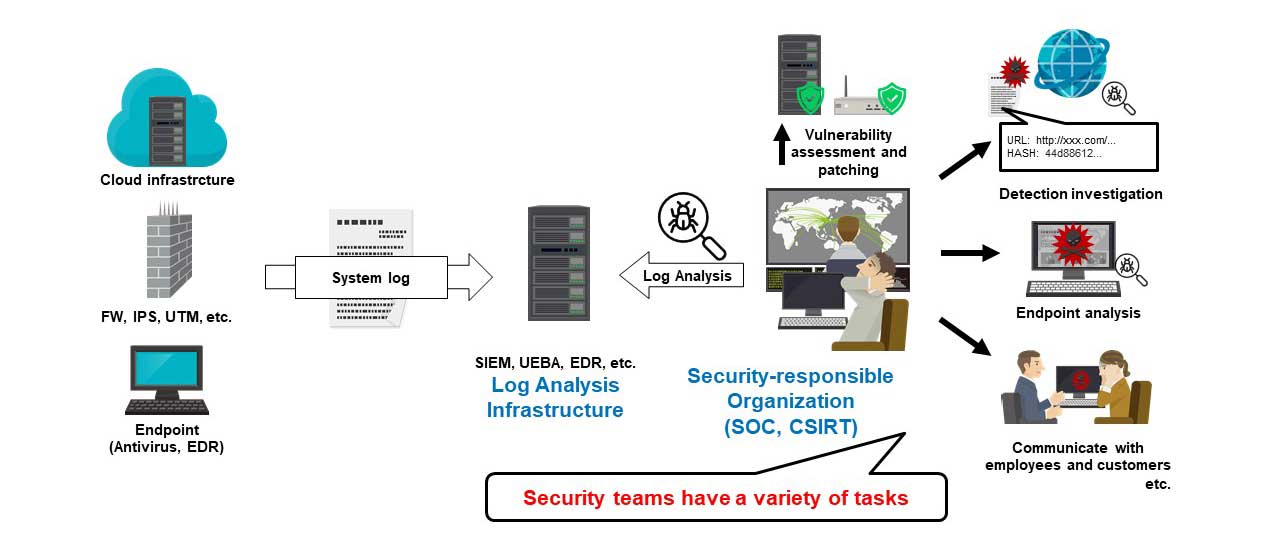
As organizations digitize their operations, cybersecurity has become one of the most critical priorities for IT departments. Cyberattacks, ransomware, and data breaches can not only cause financial losses but also damage brand reputation.
Core cybersecurity strategies include:
- Network Security – Firewalls, intrusion detection systems, and secure VPNs prevent unauthorized access.
- Endpoint Protection – Securing devices like laptops, desktops, and mobile phones.
- Data Encryption – Protecting sensitive information during storage and transmission.
- Identity & Access Management – Enforcing authentication and authorization protocols to control system access.
- Security Compliance – Meeting standards like GDPR, HIPAA, and ISO 27001 to maintain trust and avoid penalties.
Modern IT departments must adopt a proactive approach—using AI-driven threat detection, regular security audits, and employee training to minimize risks.
Automation: Driving Efficiency & Innovation
Automation has become a game-changer for IT and business operations. By automating repetitive and time-consuming tasks, organizations free up resources for strategic innovation.
Applications of automation include:
- IT Operations Automation – Automating server provisioning, patch management, and network monitoring.
- Robotic Process Automation (RPA) – Streamlining back-office tasks such as data entry, invoice processing, and HR workflows.
- DevOps & CI/CD Pipelines – Automating software development, testing, and deployment for faster product delivery.
- AI & Machine Learning Integration – Enhancing automation with predictive analytics and intelligent decision-making.
With automation, businesses achieve faster turnaround, lower costs, and improved service quality. However, success depends on aligning automation with business strategy rather than blindly replacing human efforts.
Analytics: Turning Data into Strategic Insights
Data has been called the “new oil,” but without analytics, it remains untapped potential. The IT department plays a central role in implementing analytics platforms that transform raw data into actionable insights.
Key areas of IT-driven analytics include:
- Business Intelligence (BI) – Dashboards and visualization tools that help executives make data-driven decisions.
- Predictive Analytics – Forecasting trends in sales, demand, or customer behavior.
- Operational Analytics – Optimizing supply chains, logistics, and resource allocation.
- Customer Analytics – Enhancing personalization and improving customer experience.
Organizations that successfully integrate analytics with cloud and AI gain a massive advantage in innovation, agility, and competitiveness.
Interconnected Nature of IT Functions
The five pillars of IT—Infrastructure, Cloud, Cybersecurity, Automation, and Analytics—are interconnected and must be managed holistically. For example:
- Cloud systems depend on strong infrastructure and must be protected with robust cybersecurity.
- Automation improves IT operations but requires secure, scalable platforms.
- Analytics thrives on cloud infrastructure and depends on strong cybersecurity for data integrity.
This interconnected ecosystem highlights why IT is not just a technical function but a strategic driver of business growth.
Challenges for IT Departments
- Budget Constraints – Balancing cost optimization with continuous innovation.
- Rapid Technological Change – Constant need to update skills, tools, and systems.
- Cyber Threats – Ever-evolving attacks demand constant vigilance.
- Integration Issues – Aligning new systems with legacy infrastructure.
- Talent Shortage – Skilled IT professionals remain in high demand worldwide.
Future Trends in IT
- Edge Computing – Bringing processing closer to devices for real-time insights.
- Zero Trust Security – Assuming no user or device is inherently trustworthy.
- AI-First IT Operations – Leveraging artificial intelligence to automate monitoring, troubleshooting, and scaling.
- Quantum Computing – Preparing for breakthroughs in computational power.
- Hyperautomation – Combining RPA, AI, and analytics to automate end-to-end workflows.
Conclusion
The IT department has evolved from being a background enabler to a strategic powerhouse. Infrastructure ensures stability, cloud provides agility, cybersecurity safeguards assets, automation drives efficiency, and analytics fuels informed decision-making. Together, these elements empower organizations to thrive in a digital-first world.