Marketing Department: Brand, Campaigns, Digital Funnels, Content & Demand Generation
In a crowded marketplace where consumers are bombarded with information and choices, the Marketing Department plays a vital role in helping businesses stand out, connect with audiences, and drive sustainable growth. Marketing is no longer just about flashy advertisements—it’s about crafting a strong brand identity, executing data-driven campaigns, building digital funnels that convert, producing valuable content, and driving measurable demand generation.
This blog explores these five pillars of modern marketing—Brand, Campaigns, Digital Funnels, Content, and Demand Generation—explaining how they work together to attract, engage, and retain customers in today’s fast-paced digital economy.
Brand: Building Identity, Trust & Differentiation
Your brand is more than your logo or tagline—it’s the sum total of how your company is perceived by your audience. A strong brand builds emotional connections, creates loyalty, and sets you apart from competitors.
- Brand Strategy – Defining brand vision, mission, values, and positioning.
- Visual Identity – Logos, color schemes, typography, and design elements that ensure consistency.
- Brand Voice – The tone and language used across all communications.
- Reputation Management – Proactively managing how customers, partners, and the public perceive your brand.
Organizations with strong brands—like Apple, Nike, or Tesla—don’t just sell products. They sell experiences, aspirations, and lifestyles. Building such a brand requires consistency across every touchpoint—from customer service to packaging to online presence.
Campaigns: Creating Awareness & Engagement
Marketing campaigns are planned efforts to promote products, services, or brand messages to a target audience over a defined period. Successful campaigns combine creativity with strategic targeting and clear goals.
Key elements of effective campaigns include:
- Campaign Objective – Awareness, lead generation, product launch, or retention.
- Audience Segmentation – Identifying specific customer personas to target with tailored messages.
- Channel Mix – Using the right combination of online (social media, email, search) and offline (print, events) channels.
- Call to Action (CTA) – Encouraging the audience to take a specific action (sign up, buy, share, etc.).
- Measurement – Tracking key metrics such as impressions, clicks, conversions, and ROI.
From seasonal promotions to influencer collaborations, marketing campaigns must be aligned with the overall brand message and customer journey. Creativity must be supported by data and performance tracking.
Digital Funnels: Turning Awareness into Conversions
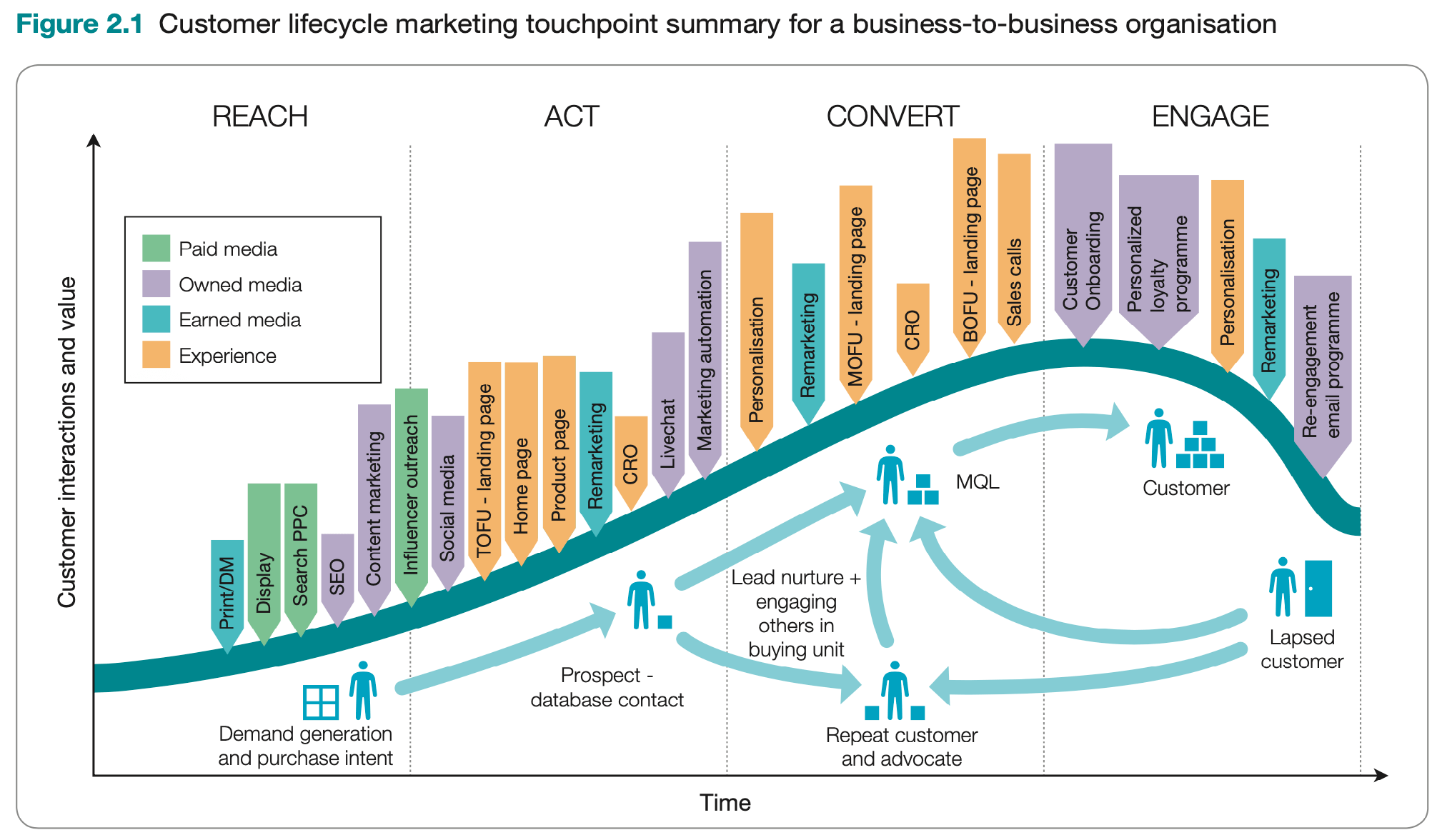
In digital marketing, a sales funnel refers to the stages a potential customer goes through—from discovering your brand to becoming a loyal customer. A well-designed digital funnel ensures that prospects are guided through each step with personalized content and offers.
- Top of Funnel (TOFU) – Attracting attention through blogs, social media, SEO, and ads.
- Middle of Funnel (MOFU) – Nurturing interest with webinars, case studies, and email sequences.
- Bottom of Funnel (BOFU) – Driving conversion with product demos, free trials, and special offers.
- Retention & Loyalty – Post-purchase engagement, loyalty programs, and upselling.
Automation tools like HubSpot, Salesforce, and Mailchimp help marketers design funnels that deliver the right message at the right time. The goal is to increase conversion rates while reducing customer acquisition costs (CAC).
Content: Educate, Engage & Build Authority
Content marketing is at the core of digital engagement. Instead of pushing products directly, content marketing focuses on providing value—through blogs, videos, podcasts, infographics, and more.
Effective content strategies include:
- Blog Articles – Providing thought leadership, industry insights, and problem-solving tips.
- Video Content – Short videos, tutorials, testimonials, and explainers that boost engagement.
- Infographics & Visuals – Simplifying complex data into visually appealing formats.
- Podcasts & Webinars – Building credibility through expert discussions and Q&A sessions.
- SEO Optimization – Ensuring content is discoverable via search engines.
Content builds trust and nurtures relationships over time. It establishes your brand as an expert in your domain and drives inbound traffic through organic search and social sharing.
Demand Generation: Creating Market Interest & Pipeline
Demand generation goes beyond awareness—it’s about generating qualified leads and creating interest in your solutions among potential buyers. Unlike general marketing, demand generation is focused on measurable outcomes like sales pipeline and revenue.
- Lead Magnets – Offering free resources (eBooks, checklists, reports) in exchange for contact information.
- Email Nurturing Campaigns – Guiding leads through the funnel with value-driven communication.
- Account-Based Marketing (ABM) – Targeting specific high-value accounts with personalized campaigns.
- Retargeting Ads – Engaging users who have already visited your website or interacted with your brand.
- Marketing-Sales Alignment – Ensuring both teams work together to convert leads into customers.
Demand generation strategies help bridge the gap between marketing activities and revenue generation. It emphasizes quality over quantity, focusing on building long-term relationships with potential customers.
Interconnection Between Marketing Pillars
These five pillars—Brand, Campaigns, Digital Funnels, Content, and Demand Generation—are deeply interconnected:
- A strong brand increases the effectiveness of campaigns.
- Engaging content fuels both digital funnels and demand generation efforts.
- Well-planned funnels ensure that campaign leads are converted systematically.
- Demand generation efforts rely on consistent branding and content to build trust.
When integrated properly, these pillars create a powerful marketing engine that attracts, nurtures, and retains loyal customers.
Challenges in Modern Marketing
- Information Overload – Standing out in a saturated digital environment is harder than ever.
- Changing Consumer Behavior – Shorter attention spans and higher expectations for personalization.
- Measuring ROI – Difficulties in attributing sales to specific marketing actions.
- Technology Overload – Choosing and integrating the right marketing tools and platforms.
- Cross-Department Alignment – Misalignment between marketing, sales, and product teams can reduce impact.
Future Trends in Marketing
- AI-Driven Personalization – Using machine learning to customize messages and offers in real-time.
- Conversational Marketing – Chatbots and live messaging to engage customers instantly.
- Video-First Strategies – Short-form video content dominating platforms like Instagram Reels and TikTok.
- Voice Search Optimization – Preparing content for voice assistants like Alexa and Google Assistant.
- Privacy-Centric Marketing – Adapting to GDPR, CCPA, and cookieless advertising environments.
Conclusion
The Marketing Department is the growth engine of the modern business. Through strategic brand building, creative campaigns, smart digital funnels, valuable content, and focused demand generation, marketers create meaningful customer relationships and measurable business outcomes. In a world where attention is scarce and competition is fierce, marketing excellence is no longer optional—it is essential.